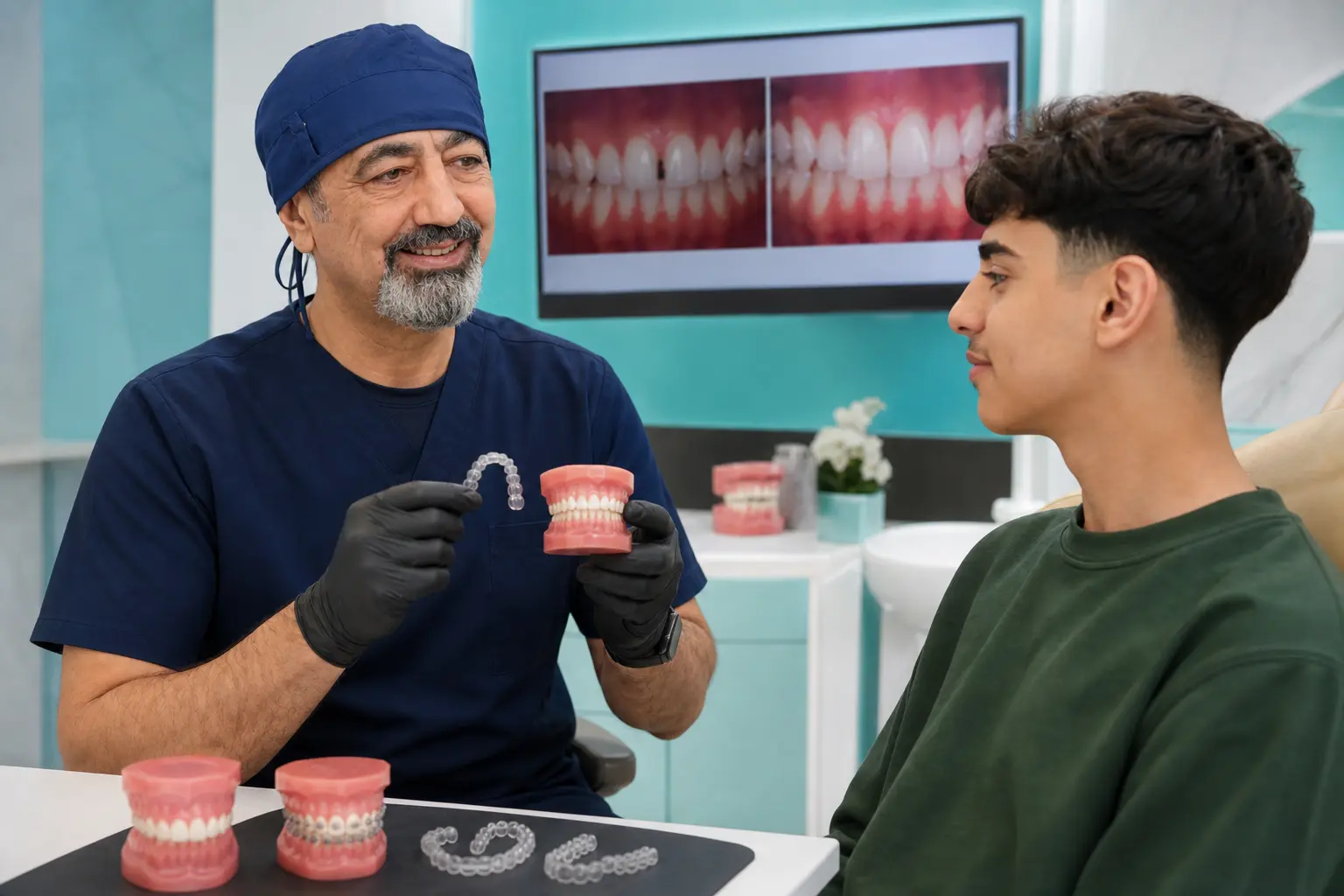
Smile Story: Closing a Gap (Diastema) and Jaw Protrusion with Dr. Saeed Anjari

Dental 1 day ago
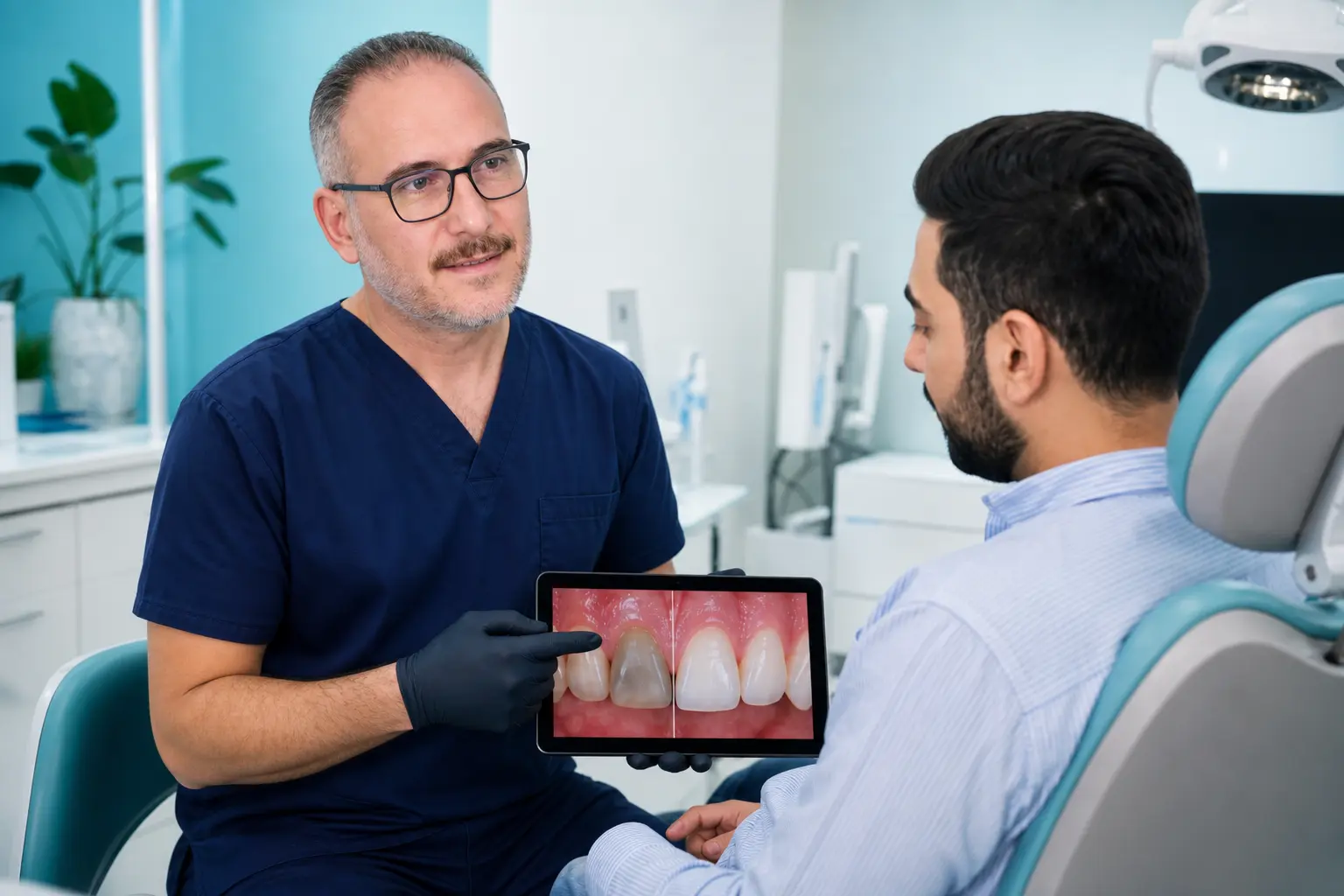
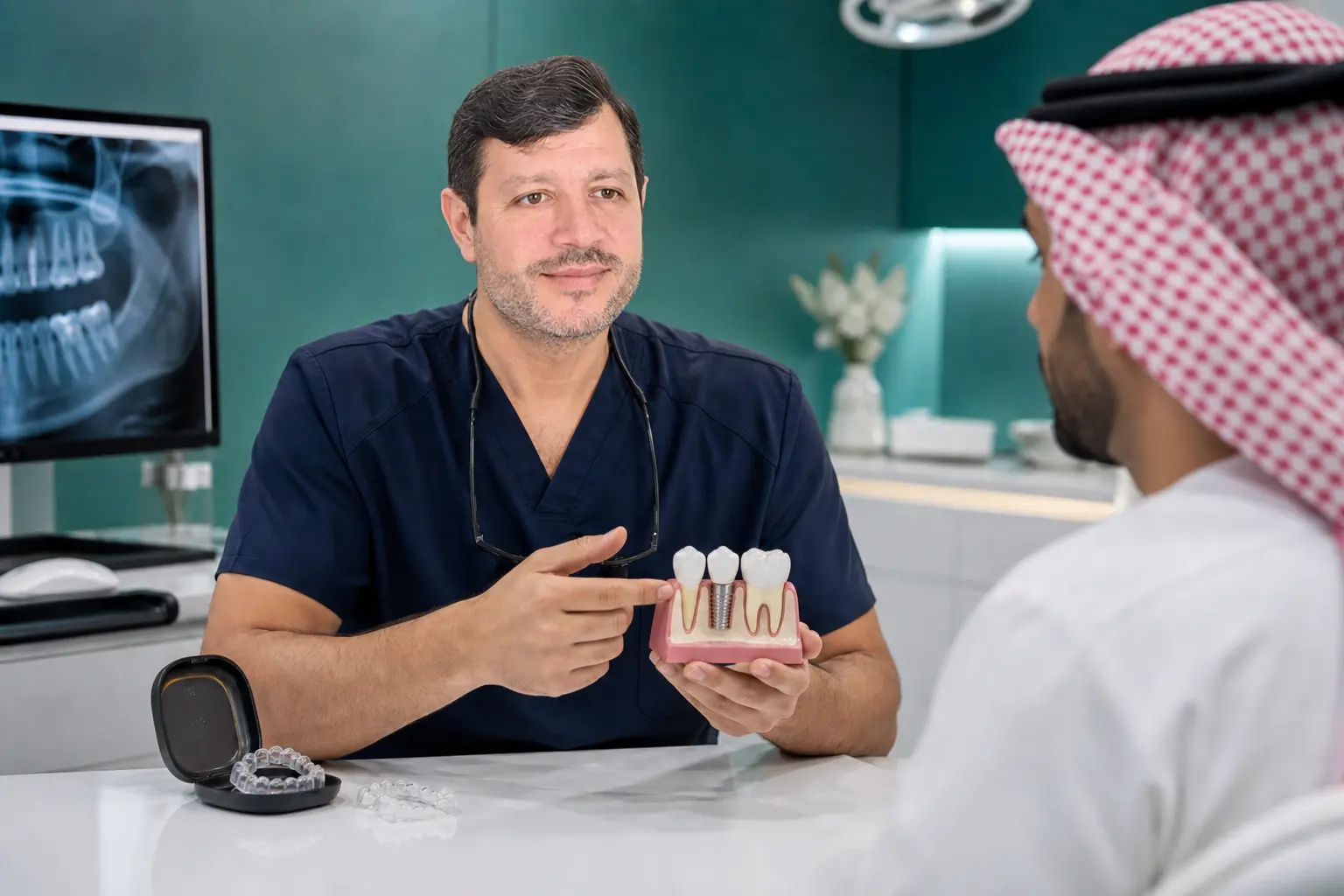
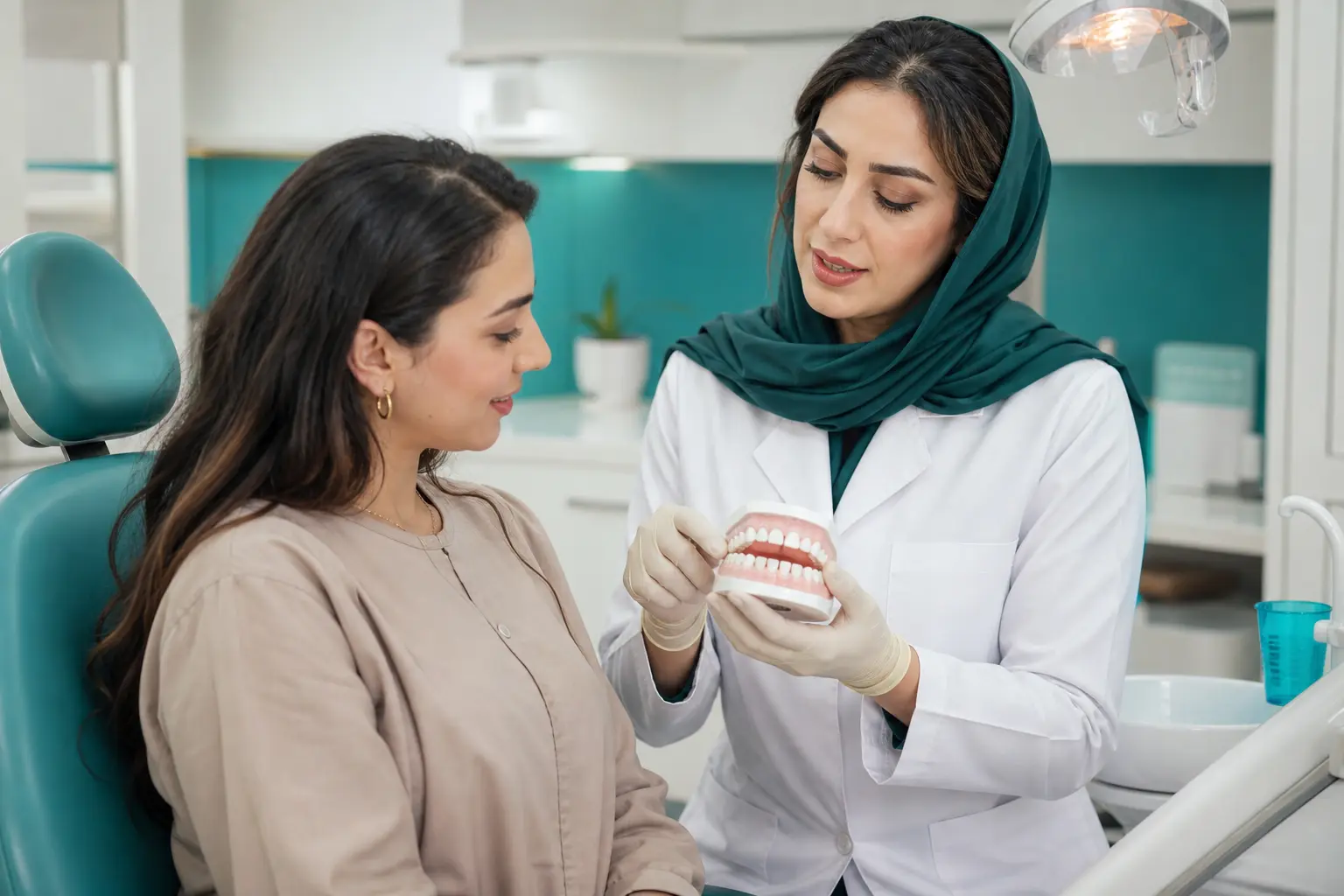
Dr. Saeed Anjari explaining gap closure and jaw protrusion at Joele Clinics

Share article

Introduction: a smile story beyond straight teeth

Many people think orthodontists only “align teeth.” Dr. Saeed Anjari — Specialist in Orthodontics and Dentofacial Orthopedics — explains that the specialty is broader: balancing teeth, jaws, lips, and facial expression.

This story focuses on two common concerns that often appear together: closing a dental gap (diastema) and jaw protrusion.

Video: Dr. Saeed Anjari on facial and smile balance

Source: video on smile harmony, gap closure, and jaw balance with Dr. Saeed Anjari — Joele Clinics.

  • Orthodontics treats the face and jaws, not teeth alone.
  • Protrusion is measured with individualized facial analysis.
  • Moving jaws changes soft-tissue appearance like fabric over a frame.
  • Results can be dramatic: calmer lips and a more relaxed facial expression.
  • The goal is balance for the patient’s own features—not copying a celebrity smile.

What is a diastema (gap between teeth)?

A diastema is a visible space, often between the upper front teeth. Closing it must consider cause, bite, gum support, and long-term retention—not cosmetics alone.
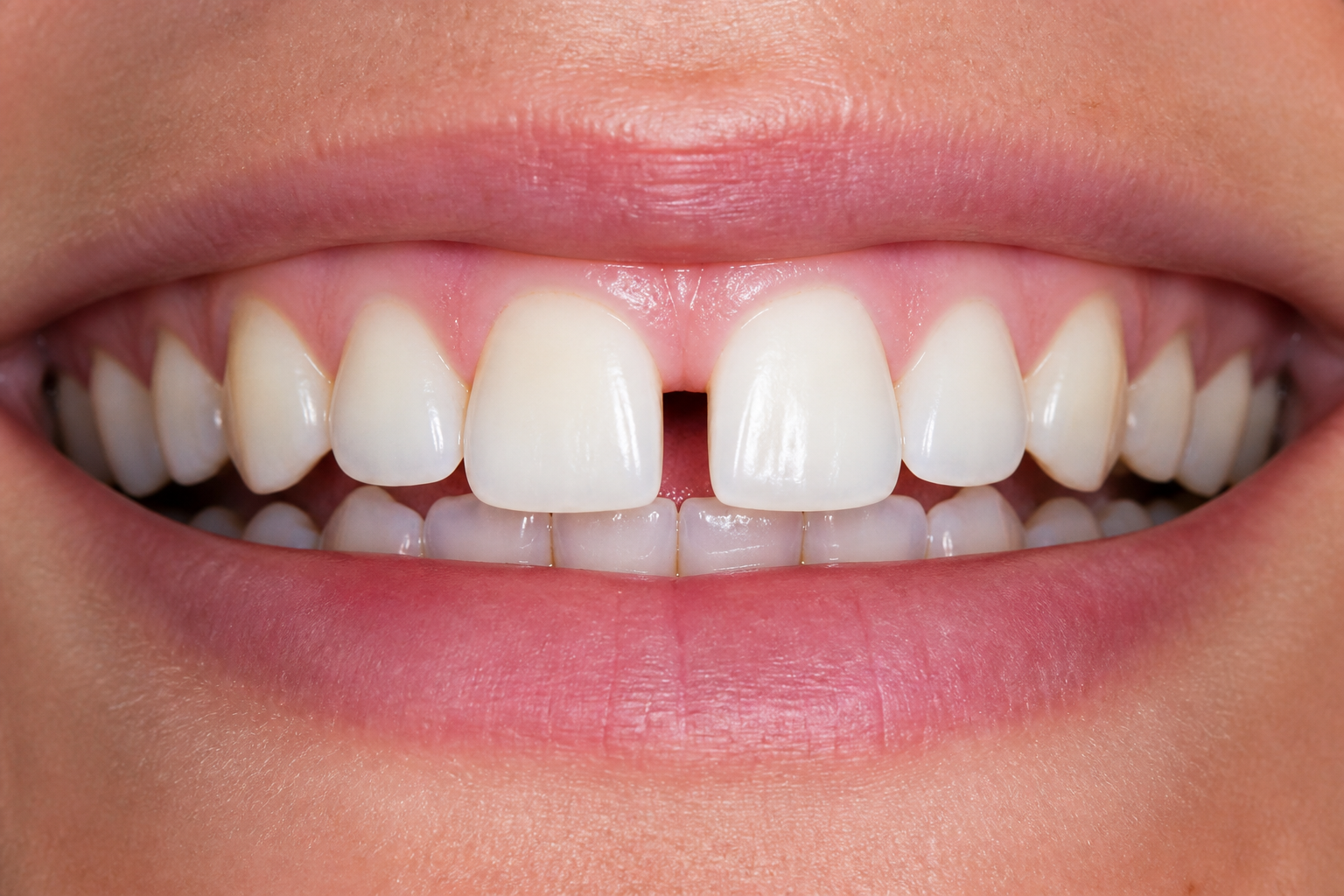
Gap between the front teeth (diastema) before orthodontic treatment
Closing a diastema should respect bite stability and facial balance.

Jaw protrusion: why “push teeth back more” is not enough

Patients often ask to move teeth farther back. Dr. Saeed emphasizes facial balance over aggressive retraction. Protrusion can look different from different angles, so planning uses each face’s own analysis equation.
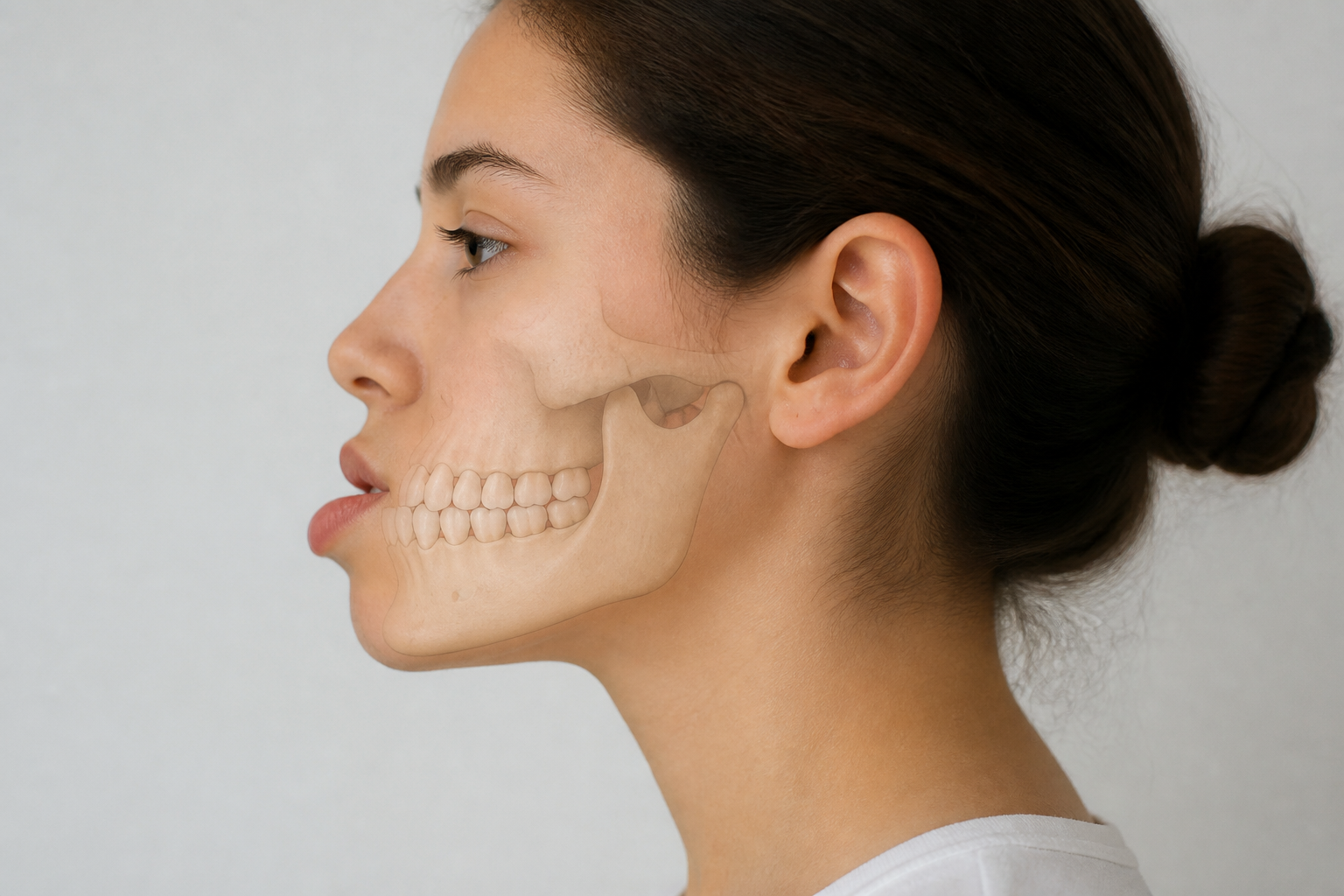
Jaw protrusion and side-profile imbalance before dentofacial correction
Protrusion is assessed with facial analysis, not a quick glance alone.

How orthodontics can change the face

When jaw and tooth relationships change, lip support and soft tissues change too. That is why orthodontic planning can transform facial calmness and expression—not only the smile line. Some advanced cases may integrate surgical decisions when needed.
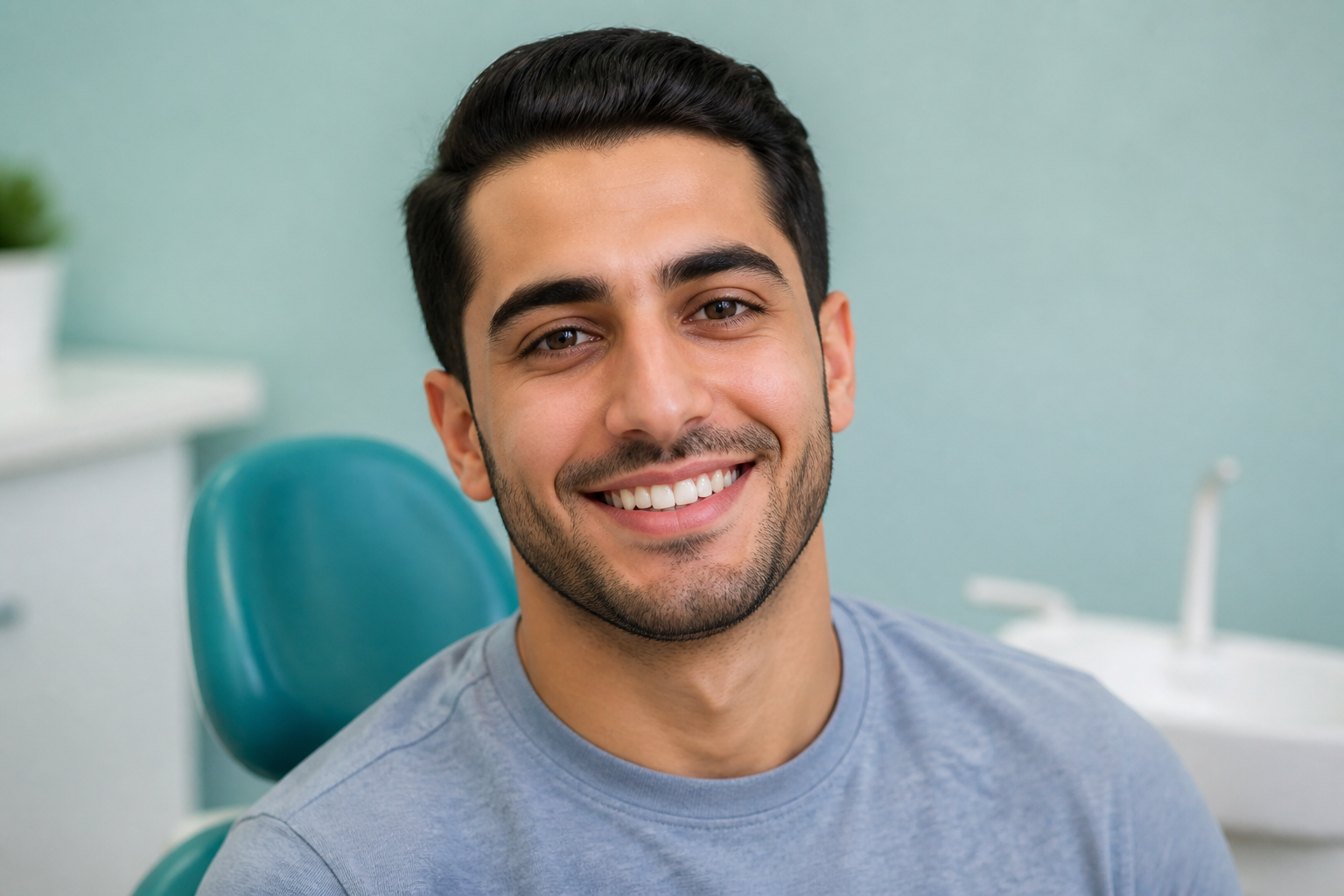
Closing a gap within a full facial plan

  1. Facial and occlusal diagnosis.
  2. Identify why the gap exists.
  3. Choose the closure method (braces/aligners and adjuncts if needed).
  4. Coordinate lip posture and smile line with protrusion correction.
  5. Retain long-term to prevent relapse.

What we avoid

  • Copying a celebrity smile that doesn’t fit your face.
  • Maximum retraction without structural/muscular balance.
  • Closing a gap at the expense of gum or bite health.

Results you may notice

  • Organized closure of the dental gap.
  • Improved protrusion appearance in profile.
  • A calmer, more harmonious smile.
  • Better confidence from a balanced facial impression.
Balanced relaxed smile after orthodontic facial planning
The goal is a natural smile that fits the patient’s own features.

Consultation with Dr. Saeed Anjari at Joele Clinics

If a gap, jaw/lip protrusion, or unbalanced smile bothers you, a dentofacial orthopedics assessment is the right start. At Joele Clinics, Dr. Saeed Anjari builds plans around skeletal, muscular, and smile balance together.

Key takeaways

Closing a diastema and managing jaw protrusion are part of face-and-jaw orthodontics—not surface tooth alignment alone. Watch Dr. Saeed’s video above, then book an assessment for your own smile story.

Add your Comment

Articles that may interest you

Book Now